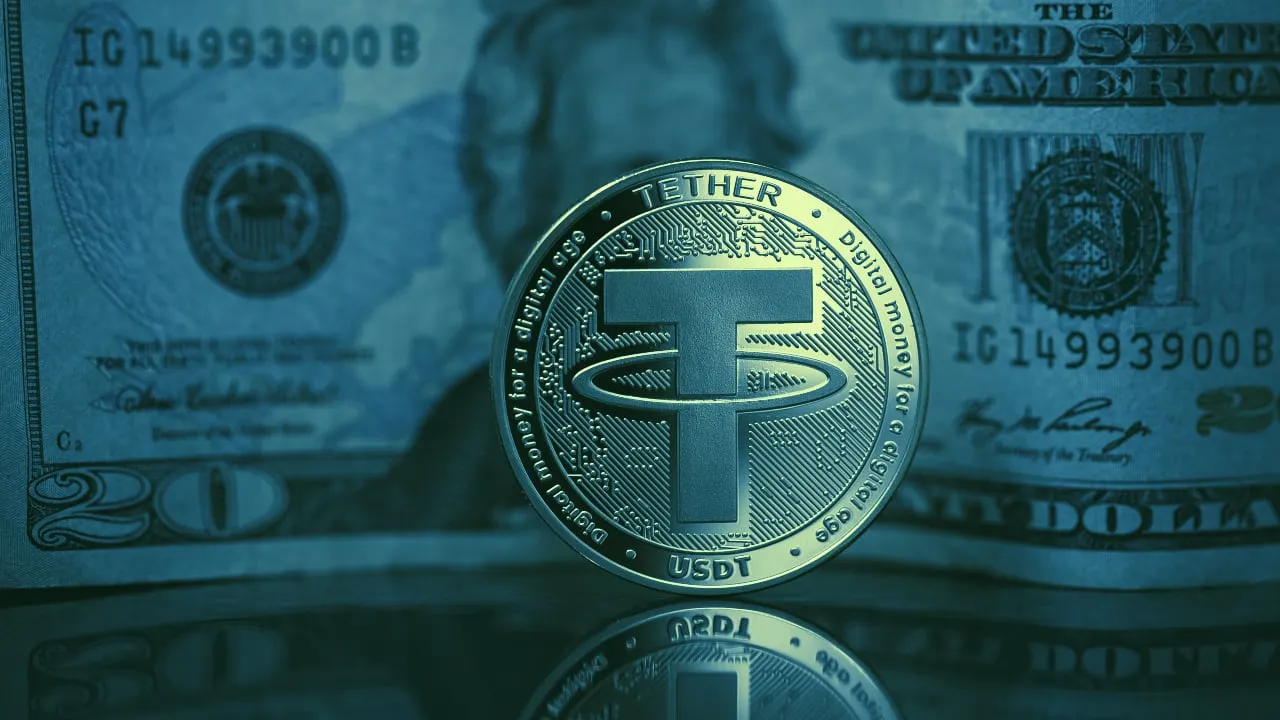
Tether (USDT) has been a cornerstone of the cryptocurrency ecosystem for years. As the first widely adopted stablecoin, it introduced the idea of a digital dollar that could be transferred globally without relying on traditional banking systems. But along with its massive adoption came scrutiny, questions, and legal battles that have shaped how regulators and the public view stablecoins today. The legal history of Tether is complex, filled with lawsuits, regulatory investigations, and growing demands for transparency. Understanding this legal backdrop is essential for anyone using USDT or watching the development of stablecoin regulation.
Tether’s first major legal challenge began with concerns over the actual reserves backing its tokens. The company long claimed that every USDT was backed 1:1 with U.S. dollars held in reserve. However, in 2019, the New York Attorney General (NYAG) launched an investigation into Tether and its sister company, Bitfinex, alleging that they had covered up the loss of over $850 million and had misrepresented the nature of Tether’s reserves.
The case revealed that Tether’s reserves were not entirely in cash but included loans to affiliated companies and other assets. As part of a 2021 settlement with the NYAG, Tether agreed to pay an $18.5 million fine and was barred from operating in New York. More importantly, the company committed to providing quarterly reports about its reserves for a period of two years. This was a key moment in the history of stablecoin regulation, as it was one of the first times a major issuer had been forced to open its books under pressure from U.S. authorities.
Following this settlement, questions about Tether’s transparency did not disappear. While the company began publishing reserve breakdowns, critics pointed out that these were attestations, not full audits. An attestation simply confirms that the company’s reported assets and liabilities match at a given moment in time. An audit, by contrast, would involve a deeper, more thorough review of financial health and risk exposure.
In 2021 and 2022, Tether came under further fire from journalists and analysts who questioned the quality and liquidity of its reserves. The company responded by shifting its asset mix, reducing its reliance on commercial paper and increasing holdings in U.S. Treasury bills. Tether also claimed to have no exposure to troubled financial institutions or high-risk investments.
While Tether’s critics remained vocal, the company’s changes did result in greater confidence from some parts of the crypto market. Even during periods of intense volatility — including the collapse of other stablecoins like TerraUSD (UST) — USDT largely maintained its peg to the dollar. This stability helped reinforce its dominance, even as legal and regulatory challenges continued to surround it.
Outside of the United States, Tether has also faced regulatory pressure in Europe and Asia. Various jurisdictions have expressed concerns about the systemic risks of stablecoins, especially those with unclear backing or links to other financial entities. As a result, regulators around the world have begun drafting or enforcing rules that could impact how Tether operates. The EU’s Markets in Crypto-Assets (MiCA) framework, for example, sets out clear guidelines for stablecoin issuers, including reserve requirements and transparency standards.
In the U.S., lawmakers have proposed several bills aimed at regulating stablecoins more tightly. Some proposals would require issuers like Tether to hold reserves in FDIC-insured banks or to register with federal financial regulators. While none of these bills have passed yet, the direction is clear: stablecoins will be under increasing regulatory scrutiny in the coming years.
Tether, for its part, maintains that it is in compliance with all relevant laws and continues to publish regular updates on its reserves. In late 2022 and throughout 2023, the company began releasing attestation reports more frequently and emphasized its holdings in short-term government securities. These moves have been aimed at calming markets and demonstrating a commitment to transparency, even if critics still call for a full audit.
The legal issues Tether has faced are not just about one company. They reflect broader concerns about how stablecoins interact with the financial system, who is responsible for regulating them, and what transparency means in a decentralized economy. The USDT lawsuit from the NYAG was a turning point, but it was also just the beginning of a long conversation about stablecoin regulation.
For users, the key takeaway is caution mixed with awareness. Tether remains the most widely used stablecoin, but its legal history is a reminder that trust in crypto is still often built on promises — and those promises are only as strong as the oversight behind them. As regulators tighten their focus and stablecoin frameworks become more defined, Tether will likely continue evolving to meet these new expectations.